
The importance of energy class A+ in new buildings

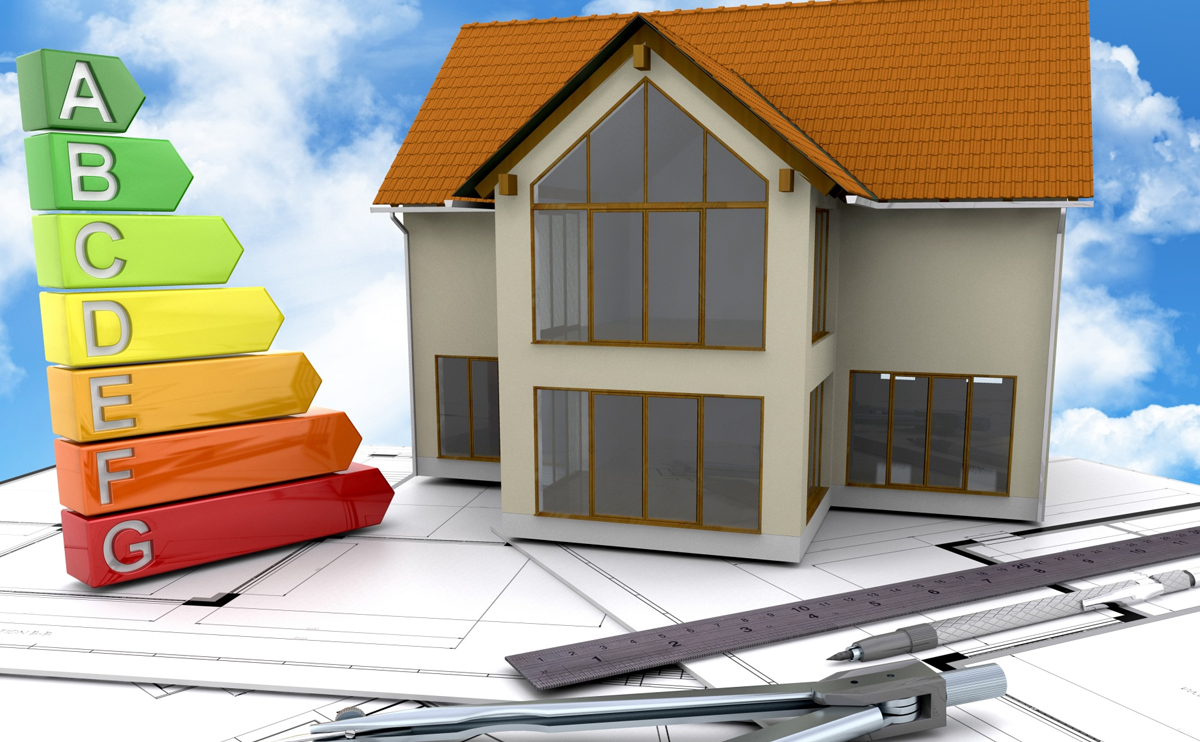
The real estate market has changed.
The modern buyer does not look only at the location, the square meters, and the aesthetics of a property.
They also look at something even more essential:
its energy performance.
The energy class of a building directly affects living costs, quality of life, commercial value, and the long-term sustainability of the investment. In Greece, KENAK defines the minimum energy performance requirements for buildings and their structural elements, aiming to balance construction costs with energy savings throughout the building’s life cycle.
Within this framework, Energy Class A+ is today one of the most important features of a new, high-quality construction.
What Energy Class A+ means
The energy class shows how efficient a building is in terms of energy consumption.
In simple terms, it shows how much energy a property needs for:
heating,
cooling,
domestic hot water,
lighting,
ventilation,
the overall operation of its systems.
An Energy Class A+ building has very low energy needs compared to older or lower-category constructions.
This is not just a technical detail on the energy performance certificate.
It is a substantial advantage for the owner and the user of the property.
Lower operating costs
The first and most immediate benefit is saving money.
An energy-efficient building needs less energy to maintain a comfortable temperature. This means lower electricity bills and less dependence on heating and cooling systems.
At a time when energy costs remain a significant factor for every household and business, Energy Class A+ is not a luxury.
It is a smart choice.
Better quality of life
Energy performance is not only about bills.
It is also about everyday comfort inside the building.
A properly designed and constructed Energy Class A+ property offers:
a more stable indoor temperature,
better thermal insulation,
reduced energy losses,
better sound insulation,
less humidity,
a more pleasant indoor environment.
The space becomes more comfortable in winter and cooler in summer.
Without excessive energy consumption.
This is true quality of living.
Proper thermal insulation and modern frames
Energy Class A+ does not happen by chance.
It requires thoughtful design and quality construction.
The thermal insulation of the building envelope, modern energy-efficient frames, high-performance glazing, and the correct installation of materials play a decisive role.
A building may have an attractive appearance, but if it loses energy through walls, the roof, floors, or openings, then its daily operation becomes more expensive and less comfortable.
Energy quality is proven in practice.
Not only in appearance.
Modern heating and cooling systems
In new buildings with high energy performance, the choice of mechanical systems is critical.
Heat pumps, underfloor heating, high-efficiency cooling systems, photovoltaic solutions, automation, and smart energy management can significantly reduce consumption.
The point is not simply to have modern installations.
The point is for them to operate properly, based on the needs of the building and the people who use it.
That is where the difference is judged between a simple construction and a truly modern property.
Greater commercial value
An Energy Class A+ property has a strong advantage in the market.
The buyer knows that they are acquiring a property with lower operating costs, better construction quality, and greater durability over time.
This positively affects:
resale value,
rental appeal,
investment prospects,
competitiveness compared to older properties.
Energy performance is no longer a secondary feature.
It is a key selection criterion.
Environmental responsibility
New buildings cannot be designed only based on their appearance.
They must also take their environmental footprint into account.
An energy-efficient building consumes less energy and contributes to the reduction of emissions associated with its operation. At the same time, KENAK sets the framework for the minimum energy performance requirements for new and radically renovated buildings.
Energy Class A+ is, therefore, a responsible choice.
Toward the owner.
Toward society.
Toward the environment.
Energy performance as an element of luxury
Today, luxury is not measured only by expensive materials and impressive architecture.
It is also measured by the experience the building offers.
A truly luxurious property must be beautiful, functional, comfortable, and energy-efficient.
Energy Class A+ is directly connected to this new perception of luxury.
A luxury that is more meaningful, smarter, and more sustainable.
Conclusion
Energy Class A+ in new buildings is not just a technical feature.
It is an indication of quality.
It is an investment in comfort.
It is protection against rising energy costs.
It is an element of high commercial value.
It is a more responsible approach to construction.
New properties must respond to the needs of modern life.
And energy performance is now a key part of this reality.
An Energy Class A+ building does not only offer better living.
It offers lasting value.

