
Minimal: When simplicity meets luxury.

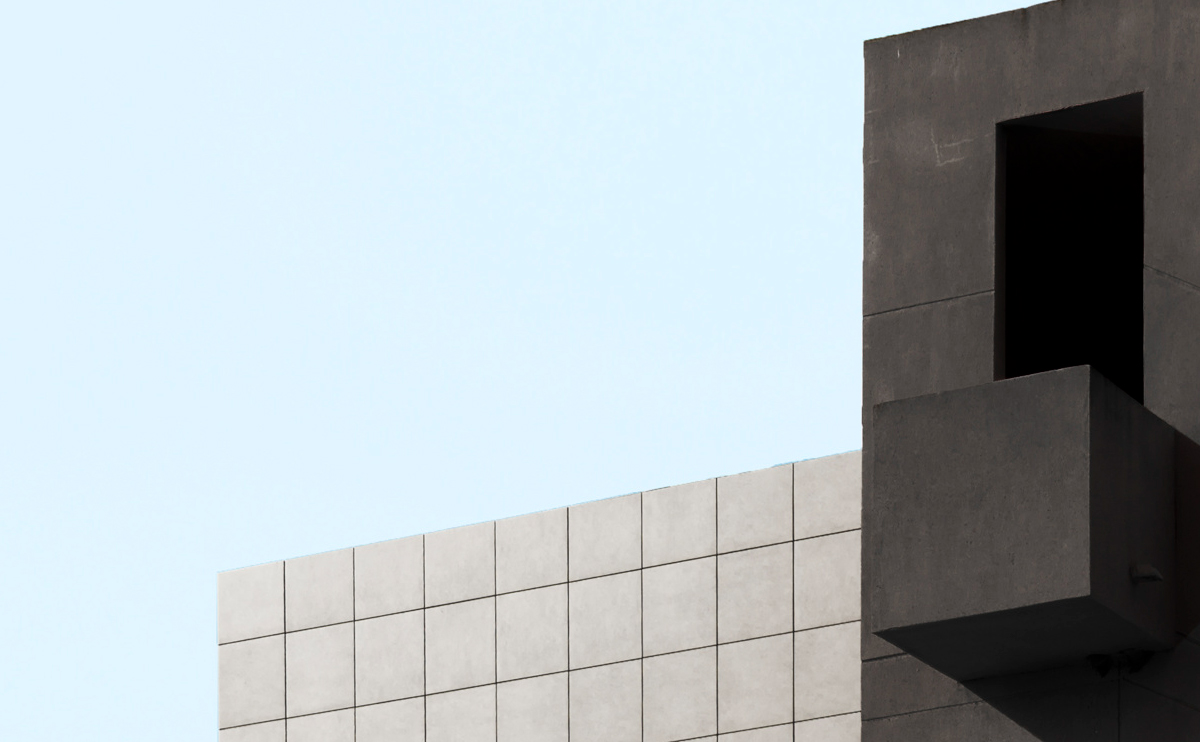
Luxury does not always need intensity.
It does not need excess, many decorative elements, or complex lines.
In modern architecture, true luxury is often expressed through simplicity. Through clean forms, natural materials, proper light, and functional spaces that serve everyday life.
This is exactly what minimal aesthetics expresses.
It is not just a decorative style. It is a complete philosophy of design and construction.
The essence of minimal architecture
Minimal does not mean “empty.”
It means essential.
Every line, every material, and every detail has a reason to exist. Nothing is placed randomly. Nothing overloads the space.
Minimal architecture is based on:
clean lines,
open and bright spaces,
discreet luxury,
high-quality materials,
functional layout,
harmony between the interior and the exterior environment.
The result is spaces that exude calm, balance, and high aesthetics.
Luxury is hidden in the detail
In a minimal building, luxury does not shout.
It is seen in the details.
It is seen in the choice of materials.
In the quality of construction.
In the way natural light enters the space.
In the correct proportion of volumes.
In the sense of comfort that the residence or professional space offers.
A minimal property is not based on excess. It is based on precision. And this precision requires experience, expertise, and careful planning.
Natural light and open spaces
One of the key features of minimal aesthetics is the utilization of natural light.
Large openings, correct orientation, and smart layout create spaces that feel more comfortable, warmer, and more welcoming.
Light becomes part of the architecture.
It highlights the materials.
It emphasizes the lines.
It gives life to the space.
At the same time, open floor plans enhance the sense of freedom and functionality. The residence adapts to the needs of the modern family, while professional spaces gain flexibility and prestige.
Materials that stand the test of time
Minimal luxury is based on high-quality materials.
Stone, wood, glass, metal, marble, exposed concrete, and modern surfaces can be combined in an elegant and timeless way.
The goal is not only appearance.
It is also durability.
A properly designed minimal building must remain modern and functional for many years. It should not become aesthetically tiring. It should not simply follow a trend of the time, but acquire lasting value.
Functionality without unnecessary elements
The minimal philosophy places great importance on functionality.
Spaces are designed based on their real use. Everyday life becomes easier, more comfortable, and more organized.
In a residence, this means a practical layout, proper storage spaces, comfortable movement, and a natural connection between spaces.
In an office or retail building, it means a professional image, a clear identity, and flexibility of use.
Simplicity, when designed correctly, does not limit.
On the contrary, it frees the space.
Minimal aesthetics and modern life
Modern life needs spaces that offer calm and quality.
After a demanding day, the home is not just a place to live. It is a point of balance. It is the environment where a person rests, creates, and lives their personal moments.
Minimal aesthetics responds to this need. It creates clean, bright, and pleasant spaces, without unnecessary distractions.
That is why it is one of the strongest trends in luxury residences and modern professional properties.
Simplicity as an investment in value
A minimal property is not only beautiful.
It is also commercially strong.
Timeless aesthetics, quality construction, and functionality increase the value of the property. They make it attractive both for owner-occupation and for investment.
In a market where demands are constantly rising, the quality of design and construction makes the difference.
Minimal luxury is not a fashion.
It is a choice with prospects.
Conclusion
Minimal is something more than simple lines and understated spaces.
It is the art of keeping only what has value.
Of emphasizing quality.
Of creating spaces that stand the test of time.
Of combining functionality, aesthetics, and luxury without excess.
When simplicity is designed correctly, it becomes luxury.
And when luxury is expressed with restraint, it acquires true timelessness.

